


By August 2026, Upwork Marketplace data showed a split within AI-related freelance work, and the split was not simply “uses AI” versus “does not.” Upwork’s Future Workforce Index 2026 (published 14 July 2026; checked 23 August 2026) found freelancers doing AI work on its marketplace earned 34% more per hour than those who were not — a contemporaneous comparison, not a year-over-year change. In the same report, comparing Q1 2026 with Q1 2025, AI-based execution earnings fell 28% year over year. Generative-AI creative production grew 90% in contract starts while pay per contract fell 13%. AI-augmented professional services grew 72% in volume with earnings up 22%. These are signals from one marketplace, not proof that specialists everywhere charge more than generalists.
That 22% is not a “vertical content tax” you can paste onto any niche blog. It is Upwork’s figure for AI-augmented professional services. Treat it as evidence that some judgment-heavy work gained value there, not as a rate card. Generic output is what a client can now draft in-house. Vertical work is what they may be unwilling to let an unsupervised model ship.
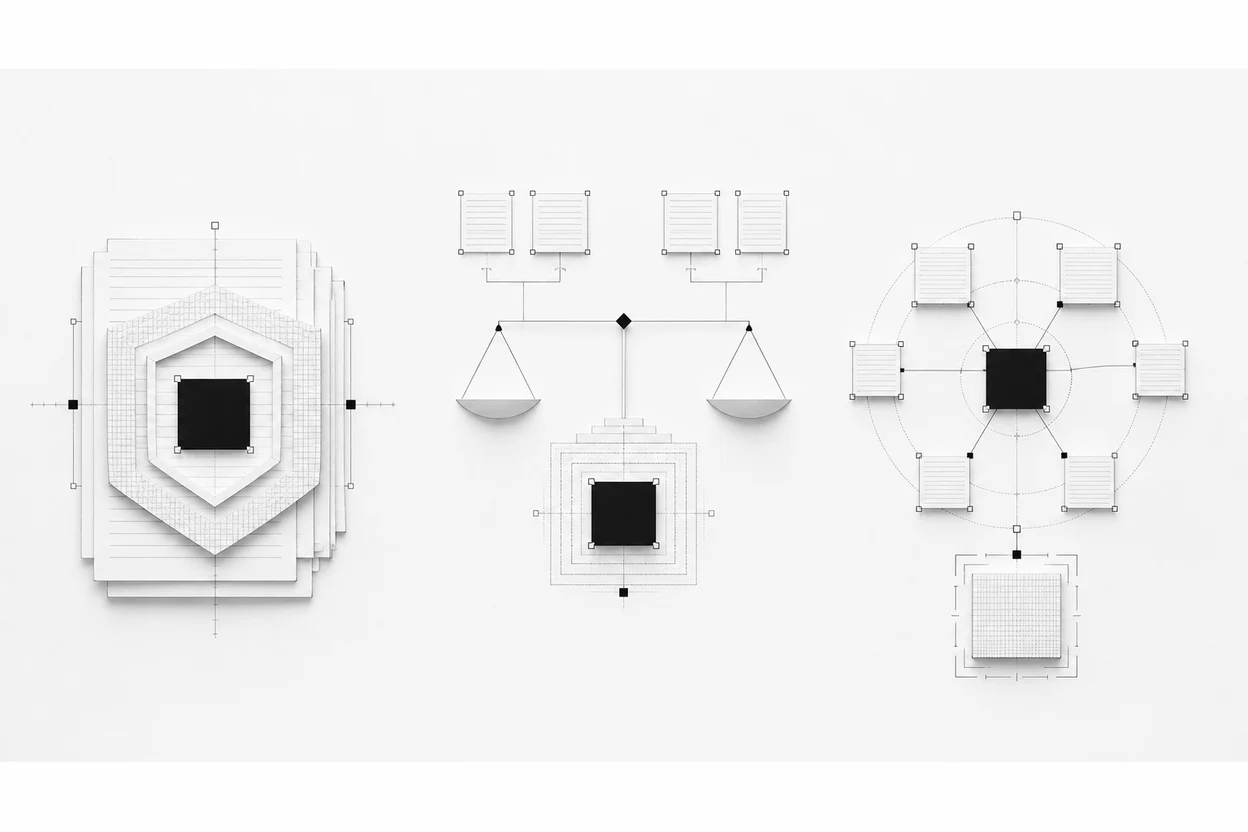
Three moats that still price
Compliance-sensitive work. The buyer is paying to reduce review and regulatory risk, not for word count. 21 CFR Part 202 sets prescription-drug advertising rules and has no AI carve-out, so an AI-assisted draft is still subject to those requirements — an inference from existing law, not a dedicated AI section. In September 2025 the FDA said it would step up enforcement of deceptive drug ads; it did not create a separate AI-author category. The American Bar Association’s Formal Opinion 512 (29 July 2024) is Model Rules guidance, not binding national statute. It covers competence, confidentiality, communication, and reasonable fees; informed consent may be required before client information enters a self-learning tool. California’s Department of Real Estate told licensees on 17 March 2026 that AI does not shift responsibility: advertising must still be truthful, and Bus. & Prof. Code §10140.8 (in force 1 January 2026) requires disclosure when a digitally altered image changes the property’s appearance, plus access to the unaltered original. A freelancer who can run a checklist a compliance officer will sign may compete less on raw drafting and more on accountable review.
Judgment-sensitive work. B2B SaaS case studies, pricing pages, and sales enablement still fail when they sound like a model that has never sat on a discovery call. The client can generate a draft. A model cannot supply first-hand discovery evidence that was never collected. Charge for the interview, the claim you will not make, and the edit that survives a VP of sales. Example assumption, not a survey: if a generalist blog is $200 and a sourced, reviewed SaaS page is $800–$1,500, the gap is research and risk, not word count. Confirm your own floor before you publish a rate.
Relationship-sensitive work. Some tasks are cheap to automate and expensive to get wrong because the client has to live with the person on the other end: a clinic’s patient SMS, a law firm’s intake replies, an agent’s listing copy that a seller will read. The moat is being the named human who will pick up the phone when the bot is wrong.
A useful test: if the client would be embarrassed to tell a regulator, a partner, or a patient “a model wrote this and nobody checked,” the work may have a defensible review layer. If they would not, test whether they will pay for review instead of assigning yourself to Upwork’s lower-complexity execution slice.
How to pick a niche you can actually enter
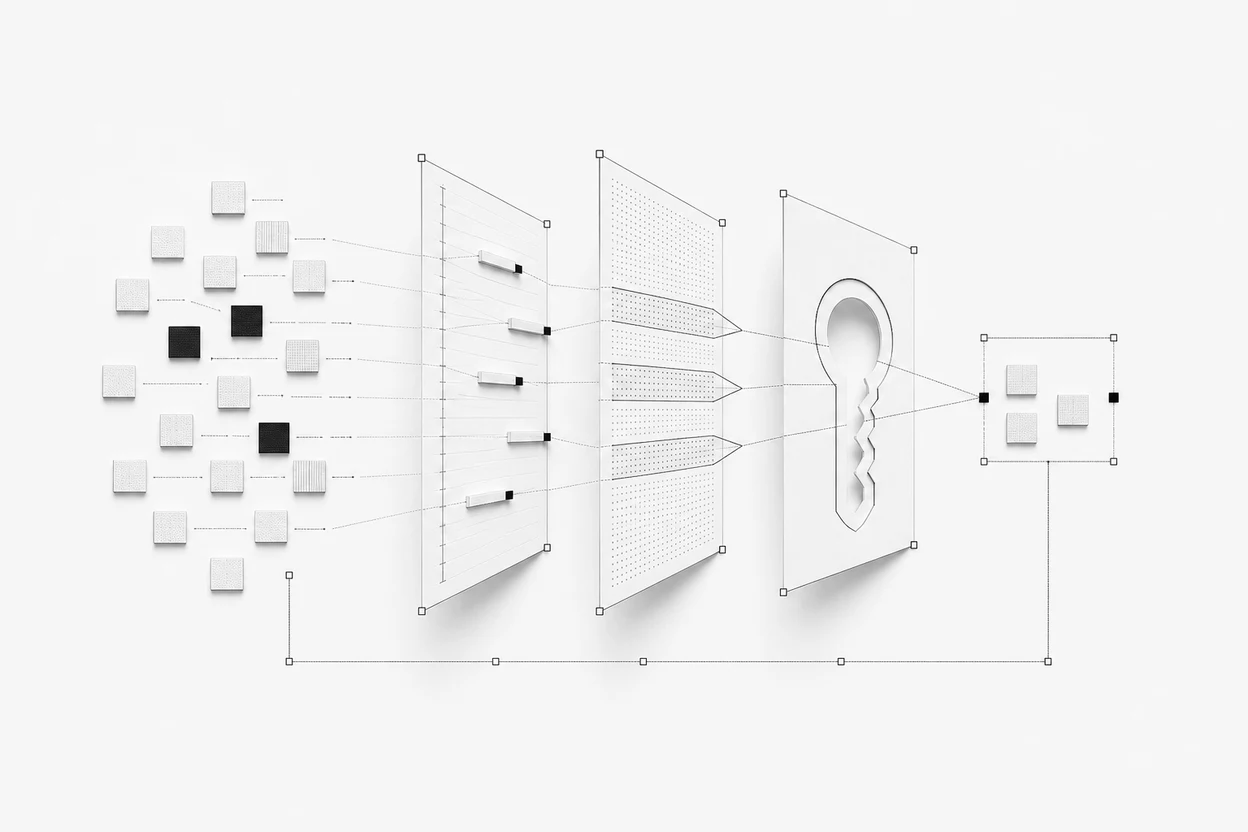
As a starting heuristic, not a validated benchmark, score each candidate 1–5 on three screens. Treat a total under 10 as a reason to investigate demand before you reposition.
- Willingness to pay. Do they already buy specialists, or do they buy primarily on price or volume marketplaces? Look at job posts and whether a wrong answer costs more than your fee.
- AI-substitution difficulty. Would a competent owner paste the brief into a chatbot and ship? If yes, the niche is a topic, not a moat. Prefer work that needs a source of record, a nearby license, or a conversation you have to be in.
- Your entry rights. Credentials, past clients, language, geography, or a portfolio in that vertical. “I can learn healthcare” is not entry. “I have edited for two clinics and I know what an MLR packet looks like” is.
Do not pick a niche only because it sounds expensive. A tiny vertical with no buyers, or one that requires a license you do not have, is a hobby. Use buyer interviews or a small proposal test; until those produce serious conversations, treat the niche as unverified.
Same service, two prices
Price the risk, not the vertical label.
Example assumption for a 1,200-word article, to be replaced with your measured costs:
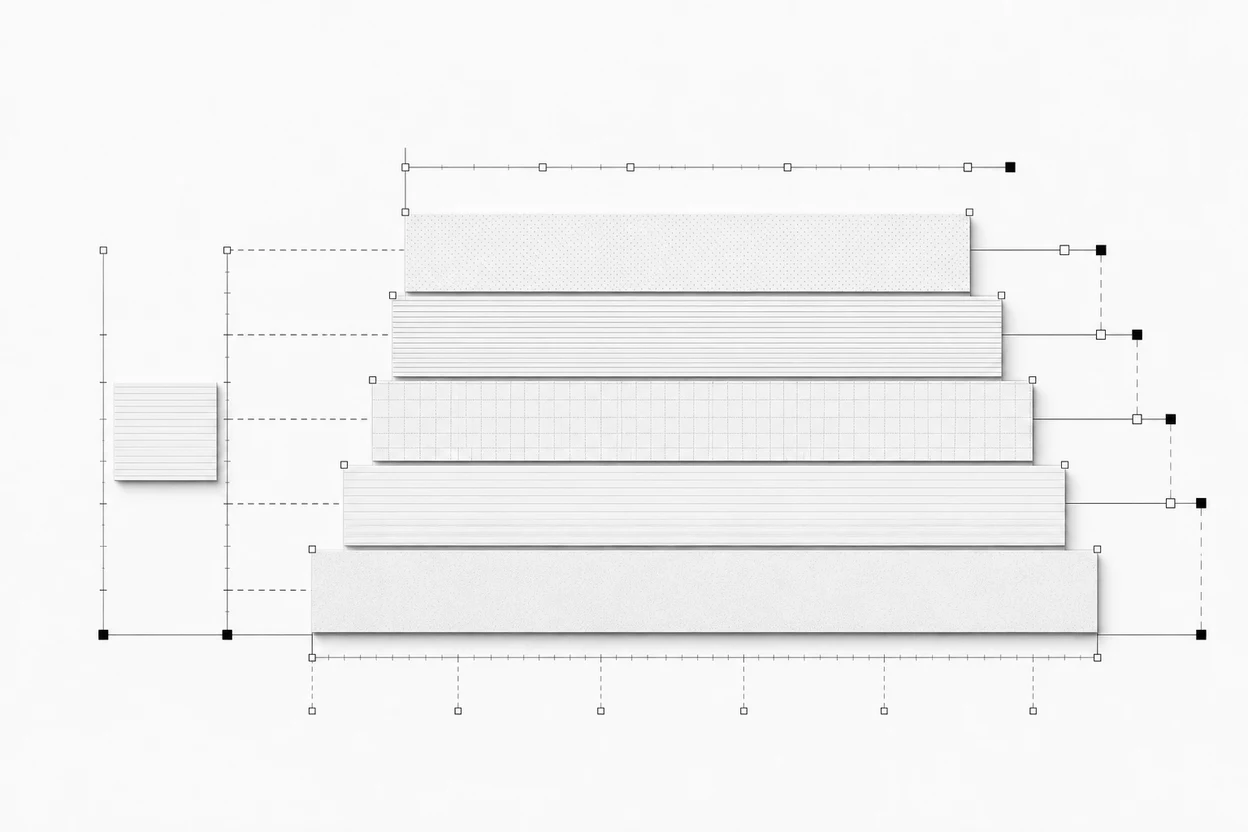
- Outside the niche: $250–$400. Buyer wants traffic. You draft, they publish. The included scope may be one revision round; contractual liability depends on the agreement and applicable law.
- Inside a regulated or high-stakes niche: $800–$1,800 plus a review pass. Buyer wants a piece that can survive counsel, a medical reviewer, or a broker. You cite primary sources, flag claims you will not make, and keep a change log.
The extra money has to buy extra work: source list, disclaimer, human review, and a slower cycle. If you charge the niche price and skip the review, you have a slogan, not a moat.
A compact formula: niche price = generalist price + (hours of specialist review × your rate) + a risk buffer you can explain. If you cannot explain the buffer in one sentence, cut it.
Who should niche — and who should not
Go narrower when you already have one foot in the door, the buyer’s downside is large, and you can show a before/after (a redlined brief, a rejected claim, a listing that needed the original photo). One vertical plus one offer is easier to test than five verticals and a vague “AI content” page.
Stay broader when you are still collecting proof, your work is transferable (ops, spreadsheet cleanup, internal docs), or the only “niche” you can name is a tool. Tool niches age as products change; domain knowledge travels further.
Do not niche for the LinkedIn bio. A made-up specialty with no pipeline is a smaller generalist market. Do not expect Upwork’s 22% category-level lift to appear in your invoices. Track close rate, average project value, and gross margin across comparable proposals.
Start with the next three proposals as a pilot, not as proof. Rewrite the title line from “AI writer” to the job the client cannot safely leave unsupervised: “SaaS help-center revision a support lead will ship,” “listing copy with unaltered photo on file,” “patient-facing FAQ a clinician signed.” Quote the generalist price and the reviewed price side by side. A single choice of the reviewed offer is a willingness-to-pay signal. It is not a verified niche tax until more comparable proposals show the same pattern.